Information on Hansen's Disease

Top What is Hansen's Disease? Information on Hansen's Disease

Information on Hansen's Disease

Hansen's disease

Hansen's disease (leprosy) is a type of infectious disease caused by a bacterium called "Mycobacterium leprae." The disease used to be called "Rai" in Japanese, but because of its discriminatory image, it is now called "Hansen's disease," after Armauer Hansen, who discovered leprosy.

Cause of onset

The leprosy Mycobacterium leprae that causes Hansen's Disease has a weak ability to cause disease, and in most cases, even if the bacillus enters the body, the immune system does not function properly and the disease does not develop. However, people who have long-term, close contact with an untreated Leprosy patients during infancy may develop the disease. Poor nutritional status and sanitary conditions can lead to a weakened immune system, increasing the risk of developing the disease.

Symptoms of Hansen's disease

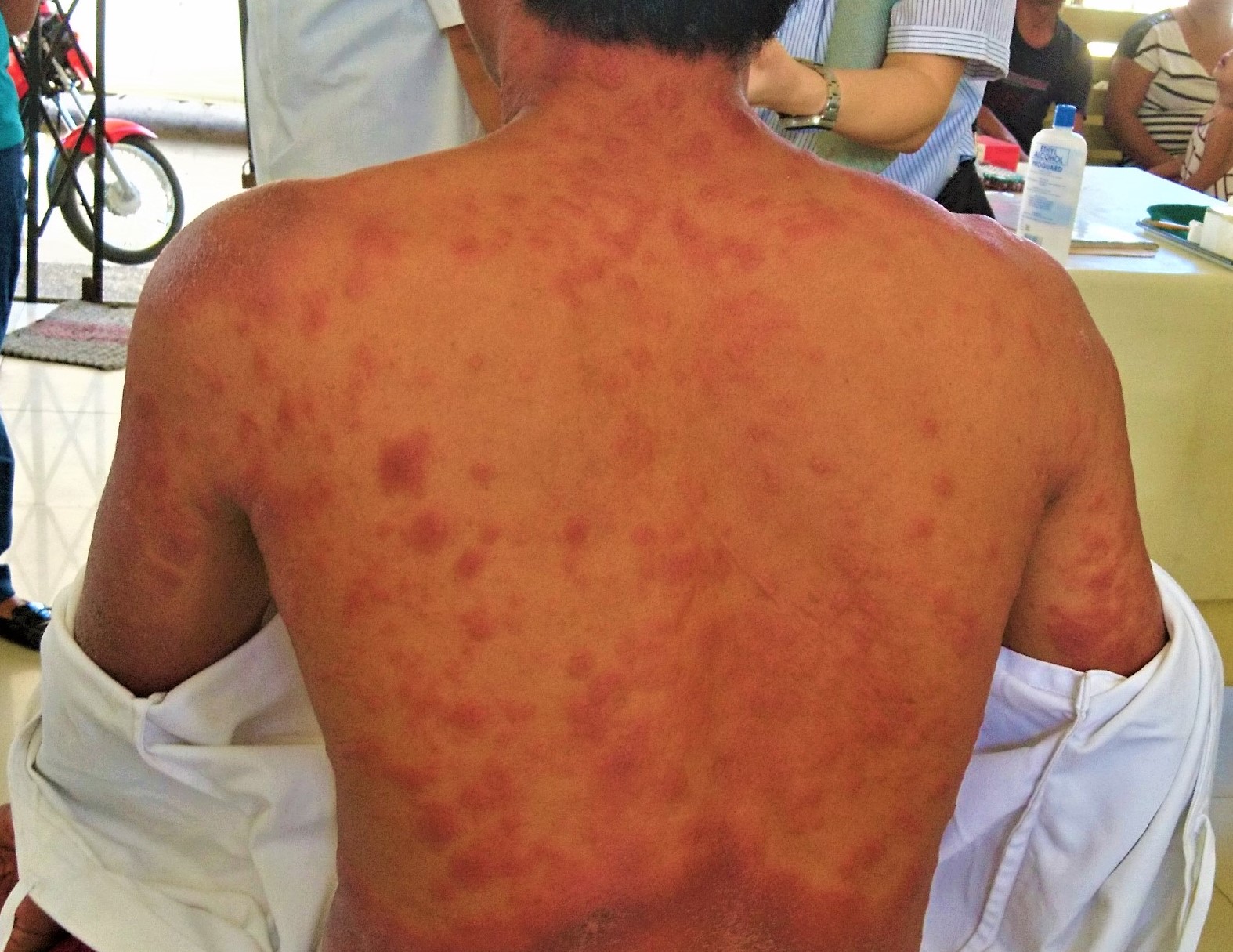
Hansen's Disease primarily affects the skin and peripheral nerves. It is a chronic infectious disease that progresses slowly after onset. Early symptoms include skin lesions called rashes and a loss of sensation of pain and heat. If the disease progresses without treatment, movement disorders and deformities appear in the hands, feet, face, etc. Deformities of the hands and feet interfere with daily activities such as picking up objects and walking.

img_02

Early symptom of rash

Treatment of Hansen's disease

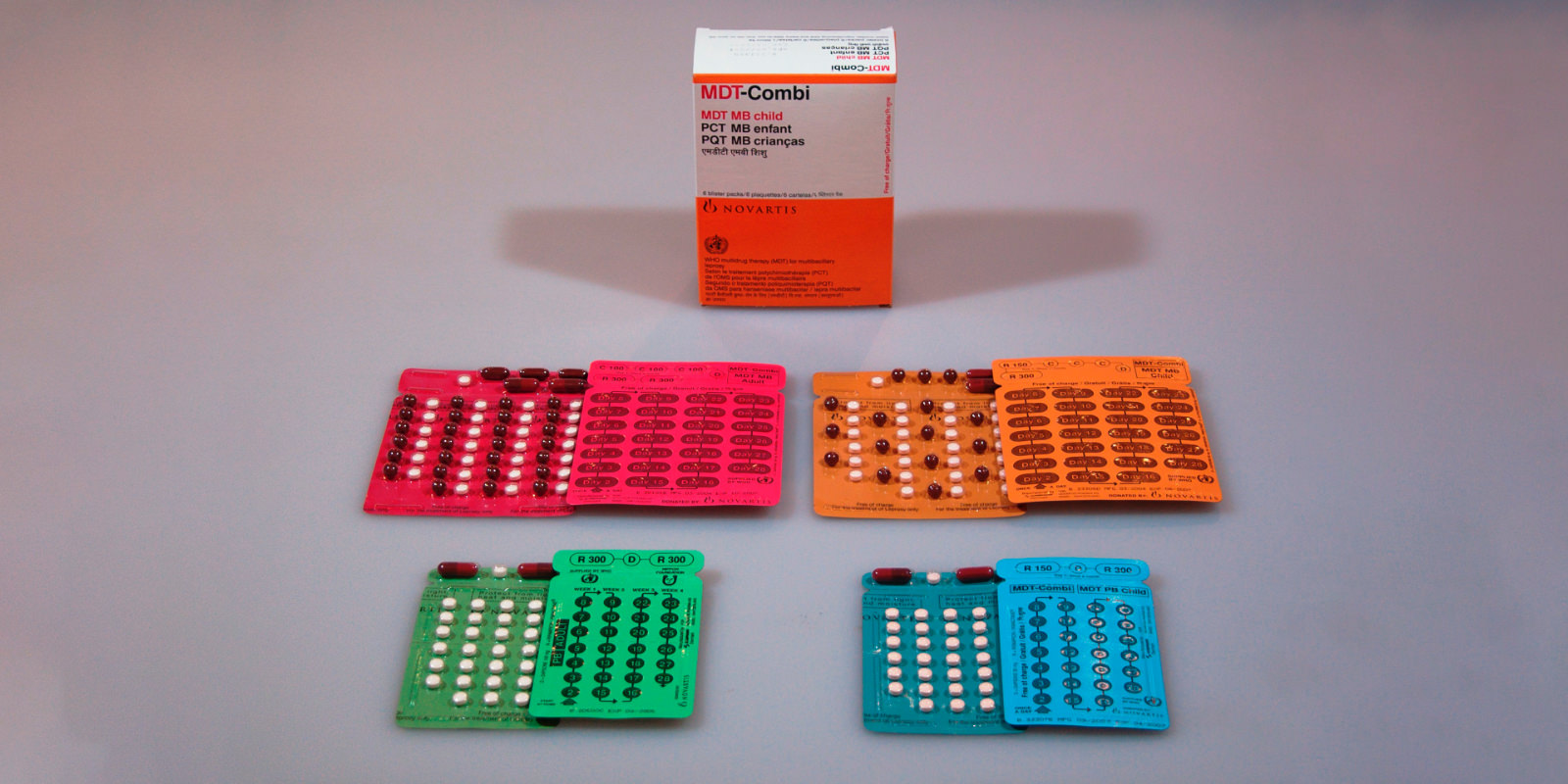
Although Hansen's Disease may heal naturally in some cases, in the days before there was a cure, even if treatment and care seemed to improve the condition, it would eventually recur and could not be medically cured. In 1941, a drug called Promin, which was effective against Mycobacterium leprae, was introduced in the United States, and Hansen's Disease became a treatable disease. Since then, improvements have been made to the drug, and today a treatment method called Multidrug therapy, in which three types of drugs are taken for six months to several years, has been established. The drugs are distributed free of charge by the WHO. Once the use of Multidrug therapy drugs begins, Mycobacterium leprae loses its infectiousness within a few days.
In this way, Hansen's Disease can be cured with just drug treatment. It is a normal disease that does not require hospitalization and can be treated while continuing to work or go to school.

img_03

WHO distribution remedy

Sequelae

Although Hansen's disease is cured without leaving any disability if treatment is started early, sequelae are observed in people in whom the disease had progressed when there was no cure or those for whom the treatment has been delayed. In addition to disorders caused by Hansen's disease, such as sensory paralysis and movement disorders, there are cases of amputation of limbs and fingers. This is because people with paralysis do not feel pain when injured, so they do not take care of the injury or are unaware of the injury. As a result, the injury may worsen and may require amputation. However, a person cured of the disease will not be the source of infection, even in sequelae.

Incidence of leprosy in Japan

In Japan, a very small number of new cases are reported each year, but most of them are foreign residents. In such cases, it is believed that the person was already infected before coming to Japan and developed symptoms in Japan. Currently, there are very few cases of people born and raised in Japan developing Hansen's Disease. This is because Japan today has good nutritional conditions and a good sanitary environment, and there are no patients who can be the source of infection. Very rarely, Japanese people do develop leprosy, but this is in cases where people who were infected but did not develop symptoms develop the disease due to a weakening of the immune system caused by aging, or in cases where people who were cured once relapse due to a weakening of the immune system for some reason. However, looking overseas, around 200,000 new cases are occurring each year, mainly in developing countries with poor nutritional conditions and sanitary environments.

Link